
300 Hour Yoga Teacher Training In Rishikesh
“Deepen your mastery of yoga and inspire others by joining our 300 Hour Yoga Teacher Training in India.”
A true yoga teacher understands that learning never ends—the deeper you walk the yogic path, the more you uncover about yourself. At Shiv Ganga Yoga & Meditation School, we honor this journey by offering the 300 Hour Yoga Teacher Training in India, an advanced program designed to deepen your practice and refine your role as a yoga mentor.
After completing the 200 Hour Yoga Teacher Training, this immersive course guides you into the subtler dimensions of yoga through a balanced blend of theory and hands-on practice.
300 Hour Course Highlight
Private Room
$ 1200
Shared Room
$ 1000
Course Name :
300 Hour Yoga Teacher Training in Rishikesh, India
Duration :
26 Days
Language :
English
Level :
Intermediate to Advance
Class Size :
15-20 Students
Date:
Starts 2st of every month
Certification :
300 Hrs YTT Certificate
Style :
Multi Style ( Hatha & Ashtanga Vinyasa)
The curriculum explores the body, mind, and energy system through subjects such as yoga philosophy, anatomy and physiology, Hatha and Ashtanga yoga, restorative practices, meditation, yoga therapy, and pranayama. While strengthening the fundamentals, the training introduces advanced techniques that support both personal growth and professional excellence.
This 26-day residential program stands out for its holistic approach, integrating traditional yoga teachings with Ayurvedic insights and practical teaching methodologies. To enhance confidence and teaching skills, students are given the opportunity to lead a demonstration class toward the end of the training.
At Shiv Ganga Yoga & Meditation School, we provide a nurturing, disciplined, and supportive learning environment where students feel guided and cared for throughout the course. Upon successful completion, graduates receive a 300-hour certification, qualifying them to progress toward RYT 500 registration with Yoga Alliance, and empowering them to teach yoga professionally anywhere in the world.

Syllabus of Our 300 Hour Yoga Teacher Training Course In Rishikesh, India
The 300 Hour Yoga Teacher Training in India at Shiv Ganga Yoga & Meditation School begins on the 2nd of each month and continues until the 27th of the following month. On arrival day, students are warmly received in traditional Indian style, creating a sense of ease and belonging from the very beginning.
After check-in, students are assisted with room allocation and given time to settle in comfortably. They then visit the school office to complete registration formalities and discuss any course-related questions. The day continues with nourishing sattvic meals, followed by a brief orientation session where students connect with fellow practitioners and become familiar with the training structure.
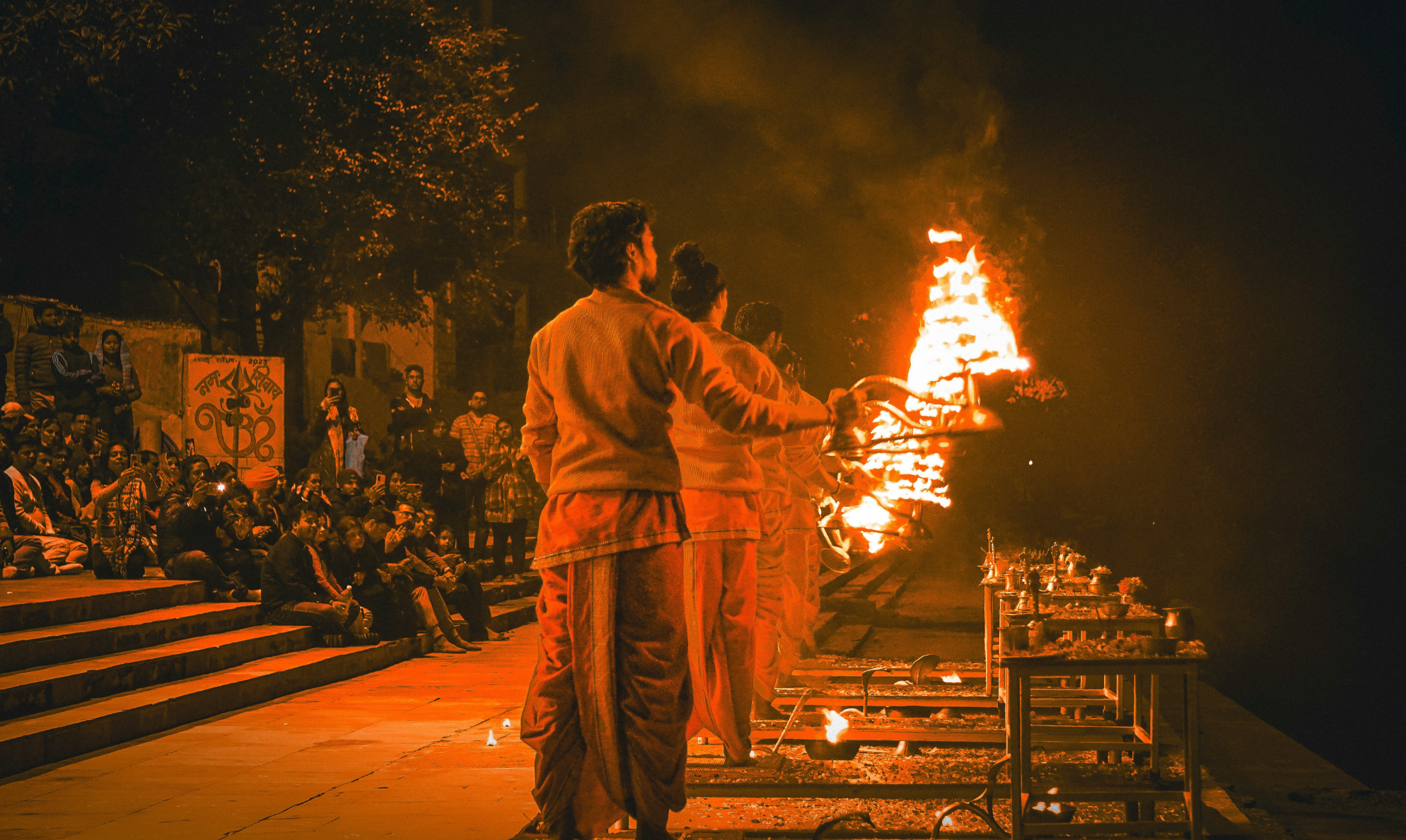
In the evening, the journey is spiritually inaugurated with a sacred fire ceremony (Havan). Dressed in white, students take part in this ancient Vedic ritual, symbolizing purification, new beginnings, and the setting of intentions for the transformative journey ahead.
Hatha Yoga – Classical Yoga Practice
Hatha Yoga focuses on balancing the body and mind through physical postures (asanas). This training covers proper alignment, benefits, modifications, and variations of key asanas, helping students develop flexibility, strength, and balance while deepening their personal practice.
- Svastikasana (Auspicious Pose)
- Gomukhasana (Cow-Facing Pose)
- Virasana (Hero’s Pose)
- Kurmasana (Tortoise Pose)
- Kukkutasana (Cockerel or Rooster Pose)
- Uttana Kurmasana (Tortoise Pose)
- Dhanurasana (Bow Pose)
- Matsyendrasana (Seated Twisting Pose)
- Paschimatanasana (Seated Forward Bending Pose)
- Mayurasana (Peacock Pose)
- Shavasana (Corpse Pose)
- Siddhasana (Accomplished Pose)
- Padmasana (Lotus Pose)
- Simhasana (Lion Pose)
- Bhadrasana (Throne Pose)
Ashtanga Vinyasa – Dynamic Yoga Practice
Ashtanga Vinyasa is a structured and energetic style of yoga. Students will be guided through the Primary Series, focusing on breath coordination, postural alignment, and dynamic movement to build strength, endurance, and flexibility.
- Surya Namaskar A
- Surya Namaskar B
- Padangusthasana
- Padahastasana
- Utthita Trikonasana
- Parivrtta Trikonasana
- Utthita Parsvakonasana
- Parivrtta Parsvakonasana
- Prasarita Padottanasana A, B, C & D
- Parsvottanasana
- Utthita Hasta Padangusthasanaa A, B & C
- Ardha Baddha Padmottanasana
- Utkatasana
- Virabhadrasana A & B
- Dandasana
- Paschimottanasana A, B & C
- Ardha Baddha Paschimottanasana
- Triang Mukhaikapada Paschimottanasana
- Janu Sirsasana A, B & C
- Marichyasana A, B, C & D
- Navasana
- Bhujapidasana A & B
- Kurmasana
- Supta Kurmasana
- Garbha Pindasana
- Kukkutasana
- Baddha Konasana A & B
- Upavistha Konasana A & B
- Supta Konasana A & B
- Supta Padangusthasana
- Ubhaya Padangusthasana
- Purvottanasana
- Urdhva Mukha Paschimottanasana
- Setu Bandhasana
- Urdhva Dhanurasana
- Salamba Sarvangasana
- Halasana
- Karnapidasana
- Urdhva Padmasana
- Pindasana
- Matsyasana
- Uttana Padasana
- Sirsasana
- Urdhva Dandasana
- Yoga Mudra
- Utplutih
- Savasana
Pranayama – The Art of Breath Control
Pranayama, or breath regulation, is a vital part of yoga that enhances vitality and mental clarity. Students will learn essential breathing techniques such as Nadi Shodhana (Alternate Nostril Breathing), Bhastrika (Bellows Breath), Kapalabhati (Skull Shining Breath), and Ujjayi (Ocean Breath) to purify the body and mind while increasing energy levels.
- Introduction Of Pranayama
- Benefits Of Pranayama
- Pranayama And Lifestyle
- Types Of Breathing
- Sitting Posture For Pranayama
- Nadishodhana Pranayama
- Sheetali Pranayama
- Sheetkari Pranayama
- Bramari Pranayama
- Ujjayi Pranayama
- Bhastrika Pranayama
- Kapalbhati Pranayama
- Surya Bheda Pranayama
- Chandra Bheda Pranayama
- Introduction To Yoga Mudras
- Jnana Mudra
- Chin Mudra
- Yoni Mudra
- Ashwani Mudra
- Nasikagra Mudra
- Preparation For Bandha
- Benefits Of Bandha
- Mula Bandha
- Jalandharabandha
- Uddiyanabandha
Yoga Philosophy – The Wisdom of Ancient Texts
Students will explore the Yoga Sutras of Patanjali, the Eight Limbs of Yoga, Yamas & Niyamas, and the Bhagavad Gita to understand the deeper essence of yoga beyond the physical postures. The course also covers ethical guidelines for a yogic lifestyle.
- Introduction To Yoga And Its Evolution
- What Is Darsan
- Evolution Of Nature
- Introduction To Yoga Sutra
- Yogic Discipline
- Patanjali’s Definition Of Yoga
- How To Achieve Goal Of Yoga
- Concept Of Iswara
- Importance Of Aum
- Concept Of Kleshas
- Ashtanga Yoga
- Introduction Of Bhagwat Gita
- Karma Yoga
- Bhakti Yoga
Alignment and Adjustment
When practicing certain yoga postures, it’s common to feel some strain or tension in your muscles—this is completely normal. Whether you’re new to yoga or have years of experience, it’s possible to experience sharp or sudden discomfort in specific poses, which can sometimes lead to minor injuries. But don’t be alarmed! This is why alignment-focused classes are an essential part of yoga training.
So, what exactly is an alignment class? In these sessions, you’ll be guided on how to perform each asana with correct body positioning and awareness, helping you gain the full benefits of the posture while significantly reducing the chance of injury. These classes also encourage the use of props and pose modifications, making yoga accessible and safe for every body type and flexibility level. Once you understand alignment principles, you’ll be able to adapt and refine any posture to suit your individual needs—making your practice safer, more effective, and more rewarding.
- Samasthithi
- Trikonasana
- Parivirta Trikonasana
- Parsavkonasana
- Parivirta Parsavkonasana
- Ardha Chandrasana
- Parivirta Ardha Chandrasana
- Virbhdrasana 1, 2, 3
- Dandasana
- Paschimotasana
- Purvottanasana
- Janu Sirsasana
- Ardha Matsyendranath Asana
- Santoolan Asana
- Chaturanga Dandasana
- Adho Mukha Swanasna
- Bhujanghasana
- Titli Asana
- Chakrasana
- Dhanurasana
- Sarvangasana
- Halasana
- Matsyasanad
- Sirsasana A, B
- Pinch Mayurasana
- Adho Mukha Vriksasana
- Bakasana
- Ek Pada Bakasana
- Parsva Bakasana
- Eka Pada Koundinyasana 1, 2
- Titibasana
- Assistence Of Ashtanga Jumps
- Bhramcharya Asana
Kriya and Shatkarma – Yogic Cleansing Techniques
Pranayama, or breath regulation, is a vital part of yoga that enhances vitality and mental clarity. Students will learn essential breathing techniques such as Nadi Shodhana (Alternate Nostril Breathing), Bhastrika (Bellows Breath), Kapalabhati (Skull Shining Breath), and Ujjayi (Ocean Breath) to purify the body and mind while increasing energy levels.
- Neti – It is a nasal cleaning process which is basically done by a neti pot using lukewarm water .
- Dhauti – It is an alimentary canal cleansing process which eliminates impurities from the digestive tract.
- Basti – Basti is the Shatkarma process for the cleansing of the colon.
- Trataka – It is a shatkarma gazing practice which is helpful in improving vision and curing headaches.
- Nauli – It is an abdomen cleansing process which is done by massaging the stomach muscle in a clockwise and then anti-clockwise direction.
- Kapalbhati – It is also known as “Shining Skull” done by inhalation and exhalation.
- Jala Neti
- Rubber Neti
- Kunjal
- Danda Dhauti
- Nauli Kriya
- Shankhaprakshalana
Yoga Anatomy and Physiology – Understanding the Body in Yoga
The study of anatomy and physiology in yoga provides valuable insight into how this ancient practice benefits the muscles, bones, and overall bodily systems. It explores how different yoga postures affect various body structures and help overcome physical limitations.
Anatomy is the scientific study of the structure of living organisms. In the context of yoga, it helps you gain a clear understanding of the body’s internal framework and how each posture influences joints, muscles, and bones. You’ll learn how different layers of the body interact—physically, mentally, and energetically. Yoga anatomy offers practical knowledge about muscles, tissues, organs, and their roles during movement and stillness.
Physiology, on the other hand, is the study of how the body functions. It dives into the cellular and molecular processes that keep us alive. In yoga training, physiology helps explain how asanas, breathwork (pranayama), and meditation influence the body’s systems—enhancing circulation, digestion, respiration, and overall health. In short, anatomy and physiology together form the foundation for practicing and teaching yoga safely and effectively, with a deeper understanding of the body’s natural intelligence.
- Introduction to Yoga Anatomy and Physiology
- Organization of the Human Body
- 5 Important Levels of Body Organization
- 11 Major Systems of the Human Body
- Anatomy and Physiology of the Skeletal System
- Joints of the Human Body and their Functions in Yoga
- Overview of Ligaments, Tendons and Cartilage
- Anatomy of Human Vertebral Column
- Introduction to Spinal Deformities, Scoliosis, Lordosis and Kyphosis and their Cure with Yogic Practices
- Major Muscle Groups in the Human Body and their Physiology in Yoga Practices
- Muscle Bone Relationship with Yoga
- Preparation of Yoga Sequences for Specific Muscles Groups
- Anatomy and Physiology of Respiratory System
- Asana and Pranayama Practices to Improve the System of Prana
- Anatomy and Physiology of Cardiovascular System
- Role of Inversions in Circulation
- Functioning of the Human Heart, Blood Pressure and Yoga Relationship
- Yoga and Pranayama to Improve Circulation of Blood in the Body
- Anatomy and Physiology of the Shoulder
- Bones and Muscles of Shoulder Joints
- Shoulder Opening Yoga Sequence Preparation
- Rotator Cuff Muscles and their Role in Yoga Posture
- Anatomy and Physiology of Digestion
- Food Types and their Effect on the Human Body
- Anatomy and Physiology of Glands in Human
- Location of Glands and Hormones and the Chakras Associated with them
- Structure of the Pelvic Area
- Study of Bones and Muscles of the Pelvis, Hip Flexors, Adductors and Adductor Muscles
- Pelvis Opening Yoga Sequencing
- Thoracic Section Opening Sequencing
- Anatomy of the Nervous System and its Physiological Relevance in Yoga
- Reflex Actions, Sensory and Motor Neurons and Parasympathetic Nervous System
- Knee Anatomy and Physiology
- Overview of MCL, LCL, ACL, PCL And their Role in Balancing Posture
- Introduction to Immune System Physiology
- Anatomy and Physiology of Shatkarma
- Anatomical Sequencing of Yoga Poses to Avoid Injuries During Asana Classes
- Anatomy and Physiology of Pranayama Practices
- Diaphragmatic Movement, Intercostal Muscle Movement and Lung Capacity
Yoga Nidra and Meditation –Yogic Sleep and Conscious Relaxation
Meditation is a core aspect of Yoga that brings deep relaxation by quieting the mind and calming the nervous system. Developing strong meditation skills is essential for maintaining mental clarity and emotional balance. Regular meditation practice can significantly reduce stress and help you tap into your full inner potential.
In today’s fast-paced world, issues like anxiety and depression have become increasingly common, often disrupting our daily lives. Meditation offers a natural way to restore mental well-being and bring harmony back into our routines. It’s important to understand that meditation isn’t just about sitting still with your eyes closed. It can also involve being fully present—whether that’s by observing your breath, listening to the sounds of nature, or simply resting in stillness. True meditation begins when the mind becomes completely absorbed, and external distractions fade away. That is the state of dhyana, a deep and undisturbed meditative awareness.
- Introduction to Meditation
- Meaning of Meditation
- Meditation definition
- Importance of Meditation in modern time
- Different kinds of meditation: Active meditation and silent meditation
- Preparation for Meditation: Lifestyle and Right attitude towards Meditation
- Kaya sthairyam (Body steadiness)
- Breath awareness meditation
- Ajapa Meditation
- Trataka Meditation
- Aum meditation
- Japa Meditation
- Yoga nidra Meditation
- Yoga nidra advanced practice for emotion
- Deep sleep and turiya sleep
- Yoga nidra as a tantric practice
- State of self in yoga nidra
- Chakra meditation
- Sound meditation
- Four traditional meditative postures
- Prana meditation technique
Mantra Chanting – The Power of Sacred Sounds
Mantra chanting is an ancient technique that enhances focus and spiritual connection. Students will learn traditional Sanskrit mantras such as Om, Gayatri Mantra, and Mahamrityunjaya Mantra, along with their meanings, pronunciation, and vibrational effects on the mind and body.
- Opening mantra
- Om chanting
- Gayatri Mantra
- Guru Vandana (prayer to Guru)
- Student and master mantra
- Patanjali mantra (ashtanga mantra)
- Completeness mantra
Kundalini Yoga – Awakening Inner Energy
This session focuses on chakra activation, kriyas, pranayama, and meditation techniques to awaken Kundalini energy and promote spiritual growth. Students will learn how to harness and balance this powerful energy safely.
- History – Kundalini Yoga Practices
- Founder – Kundalini Yoga
- How Kundalini yoga differs from other yoga practices
- What is not included in kundalini yoga?
- Misunderstanding and Misconceptions about kundalini yoga
- Kundalini yoga in different traditions and perspectives of the world
- Is it safe to practice kundalini yoga from any of the yoga teachers and schools?
- How to find a true guru for Kundalini Yoga?
- Different Traditions of Kundalini yoga
Teaching Methodology & Adjustment – Becoming a Skilled Yoga Teacher
This module is designed to equip students with the skills to become confident yoga instructors. Topics include class sequencing, voice modulation, hands-on adjustments, use of props, and creating a safe learning environment to effectively teach yoga classes.
- Positive & conscious communication, Friendship and trust
- Time management
- Qualities of a teacher
- Principles of demonstrating observation
- Assisting
- Correcting
- Use of voice in class
- Mental & emotional preparation for teaching
- Class preparation
- Step by step class structure planning
Ayurveda – The Science of Life
Ayurveda is the ancient Indian system of natural healing. This module introduces students to doshas (body constitutions), Ayurvedic diet, seasonal routines, and herbal remedies to promote holistic health and wellness
- Introduction to Ayurveda
- Unique Features of Ayurvedic Treatment
- Ayurveda and Its Diversified Areas
- Ashtanga Ayurveda
- Fundamentals of Ayurveda
- Panchamahabhuta
- Kapha (The theme of structure and lubrication)
- Vata (the energy of movements)
- Pitta (the energy of bio-transformation and heat generation)
- Prakriti- Know Your Constitution
300 Hour Yoga Teacher Traininig Course - Dates 2026 - 2027
Date
Availability
Shared
Private
Booking
Date
Availability
Shared
Private
Booking
What is included / Not Included / What to Bring
- INCLUDED
- Private or Shared Accommodation
- Learning Materials (Course manuals, charts, books)
- Learning Materials (Course manuals, charts, books)
- 24-Hour Reception Available
- Basic Yoga Equipment (Yoga mat, Props, etc.)
- Wifi Acess
- Pen, Notebook & Jala Neti Pot
- Drinking Water
- Herbal Tea
- Hot and Cold Water Showers Available 24x7
- CCTV Camera Inspection
- NOT INCLUDED
- Travel Costs to and from the Yoga Institute
- Optional activities or trips are not included in the program.
- Personal expenses such as laundry, phone, and extra meals.
- Extra Stay Beyond Course Dates
- Spa & other luxury services
- What to Bring?
- Yoga mats available: optional to bring yours
- Bring personal hygiene items and equipment.
- Light jacket or shawl for meditation or cooler weather.
- Comfortable footwear and a personal water bottle.
- Comfortable clothes for yoga practice.
- A bath towel & soap
- One white outfit for the fire ceremony.
- Bring medications and a small travel first aid kit if needed.
Daily Schedule for the 300 Hour Yoga Teacher Training In Rishikesh, India
The daily schedule of our 300 Hour Yoga Teacher Training is carefully designed by experienced teachers to support every student’s learning needs, offering balanced time for practice, study, rest, and rejuvenation.
Here is how a typical day at Shiv Ganga Yoga & Meditation School’s 300 hour Yoga TTC will be:
Schedule
05:30 AM – 06:00 AM
Morning Tea
06:30 AM – 07:30 AM
Hatha Yoga
07:45 AM – 08:45 AM
Pranayama
09:00 AM – 10:00 AM
Breakfast
10:00 AM – 11:00 AM
Yoga Philosophy
11:00 AM – 11:45 AM
Alignment And Adjustment
12:00 PM – 01:00 PM
Yoga Anatomy And Physiology/Yoga Therapy
01:00 PM – 02:00 PM
Lunch
04:15 PM – 05:45 PM
Ashtanga Vinyasa
06:00 PM – 07:00 PM
Meditation
07:00 PM – 08:00 PM
Dinner
Check In
Start Date:
1st of the month
Time:
10:00 – 18:00 IST
Opening Ceremony
Start Date:
2nd of the month
Time:
11:00 – 12:00 PM IST
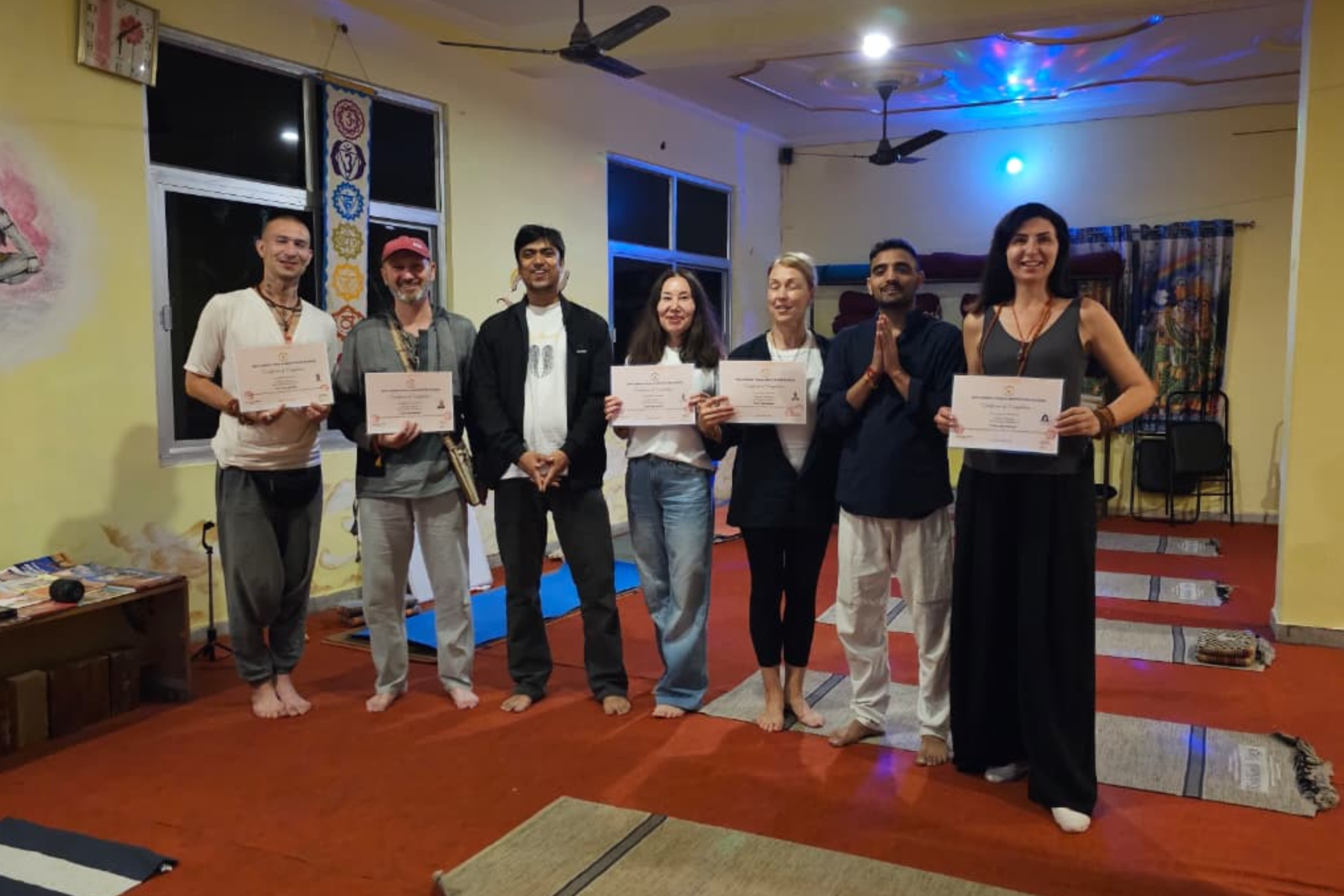
Certification Ceremony
Start Date:
27th of the month
Time:
11:00 – 12:00 PM IST
Check Out
Start Date:
28th of the month
Time:
10:00 – 18:00 IST
Note*:
Timings are subject to change.
“Where learning deepens into understanding, understanding awakens awareness, and awareness becomes lived wisdom.”
Book Your Slot With Shiv Ganga Yoga & Meditation School With Best Price
How to Book Your Spot
Ready to begin your yoga journey in the spiritual heart of Rishikesh? Securing your place in our Yoga Teacher Training is easy and safe:
1. Complete the Registration Form
Fill out the online application with your personal details.
2. Receive Confirmation
Our team will review your application and send you a confirmation email.
3. Pay the Booking Deposit
Reserve your seat by paying a small, non-refundable deposit (typically $100–$200).
4. Get Your Welcome Kit
Once confirmed, you’ll receive complete course details, travel guidance, and preparation information.
⚠️ Limited seats available
Secure your spot today and take the first step toward a transformative yogic journey.
Comfortable Yoga Accommodation & Healthy Food During Your Stay


At Shiv Ganga Yoga & Meditation School, we understand how important a peaceful and comfortable environment is for your yoga journey. During the 300 Hour Yoga Teacher Training in Rishikesh, we ensure a supportive stay that allows you to focus fully on your practice.
Accommodation Features:
- All rooms are kept clean, calm, and comfortable, designed to support rest and reflection.
- Each room includes an attached bathroom with 24-hour hot and cold water.
- Students can choose between private or shared accommodation based on personal preference.
- Every room provides adequate storage space for personal belongings and study materials.
- Natural light and fresh air fill the rooms, helping you stay balanced and connected to your daily rhythm.
- Surrounded by the serene energy of Rishikesh and the sacred flow of Mother Ganga, your stay supports relaxation, focus, and inner harmony.
Healthy Food During Your Stay


In yoga, ahara (food) plays an essential role in supporting both body and mind. At Shiv Ganga Yoga & Meditation School, we serve pure sattvic, fresh, and nourishing meals prepared according to yogic and Ayurvedic principles to enhance prana, balance, and clarity during practice.
Our diet includes:
- Freshly prepared, organic sattvic meals cooked with care and positive intention
- A wholesome breakfast to energize the body and mind for the day
- Balanced lunch and dinner to keep you light, active, and focused
- Herbal teas and hydrating beverages to refresh and support digestion
- Light yet nourishing meals that sustain you without heaviness or hunger
Our food supports your practice, helping you feel energized, calm, and focused throughout your training.
Instructions You Have To Follow
When attending a course at Shiv Ganga Yoga & Meditation School, students are encouraged to follow certain guidelines to maintain discipline, support their learning, and honor the sacred yogic environment of Rishikesh. These instructions help create a harmonious space where everyone can practice with focus, respect, and awareness.
Important Instructions
- Punctuality – Please arrive on time for all yoga classes, meditation sessions, and lectures.
- Silence & Mindfulness – Maintain silence within the school premises, especially during meditation and practice hours.
- Yogic Lifestyle – Avoid processed foods, artificial additives, excessive spices, onion, garlic, and stimulants such as caffeine.
- Respect for Teachers & Fellow Students – Follow the guidance of your teachers and maintain mutual respect within the community.
- Limited Use of Mobile Phones – Refrain from using mobile phones during classes, meditation, and meal times.
- Vegetarian Diet Only – A sattvic vegetarian diet is followed; consumption of meat, fish, and eggs is not permitted.
- No Alcohol, Smoking, or Drugs – Alcohol, smoking, and any form of drugs are strictly prohibited during the course.
These guidelines are part of the yogic discipline and help ensure a safe, respectful, and deeply transformative learning experience for all students.
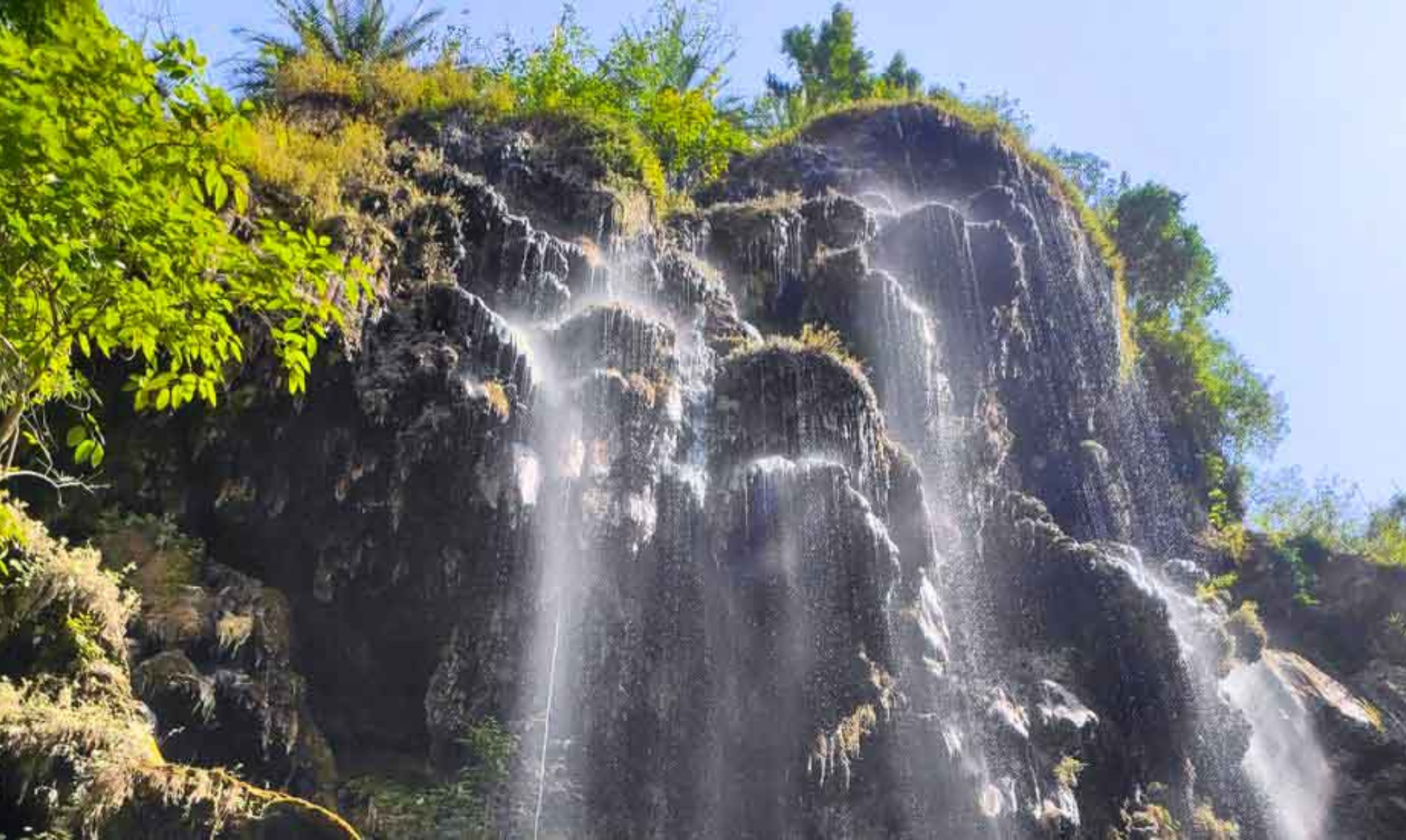
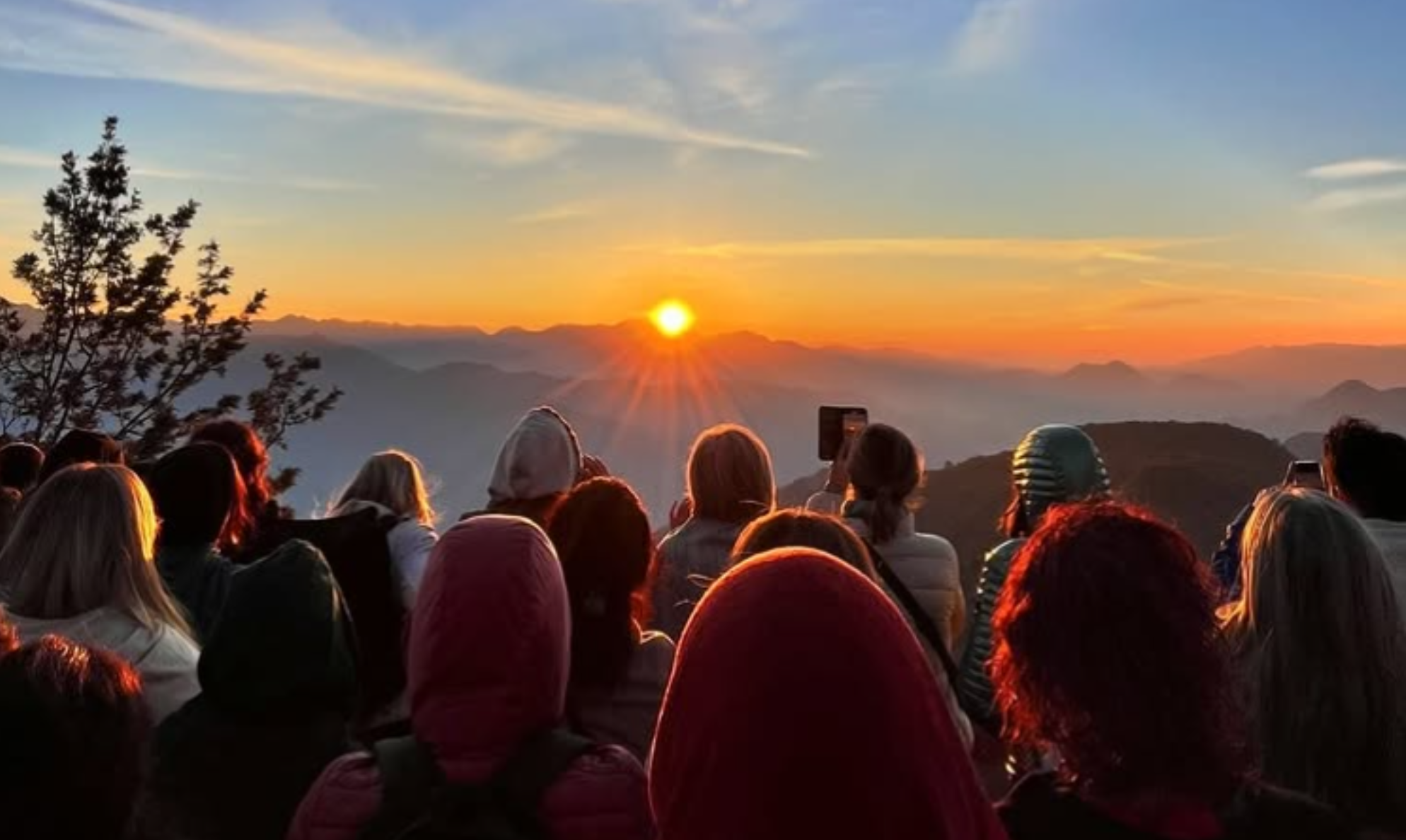
Outdoor Adventures & Excursions - Yoga Teacher Training in India
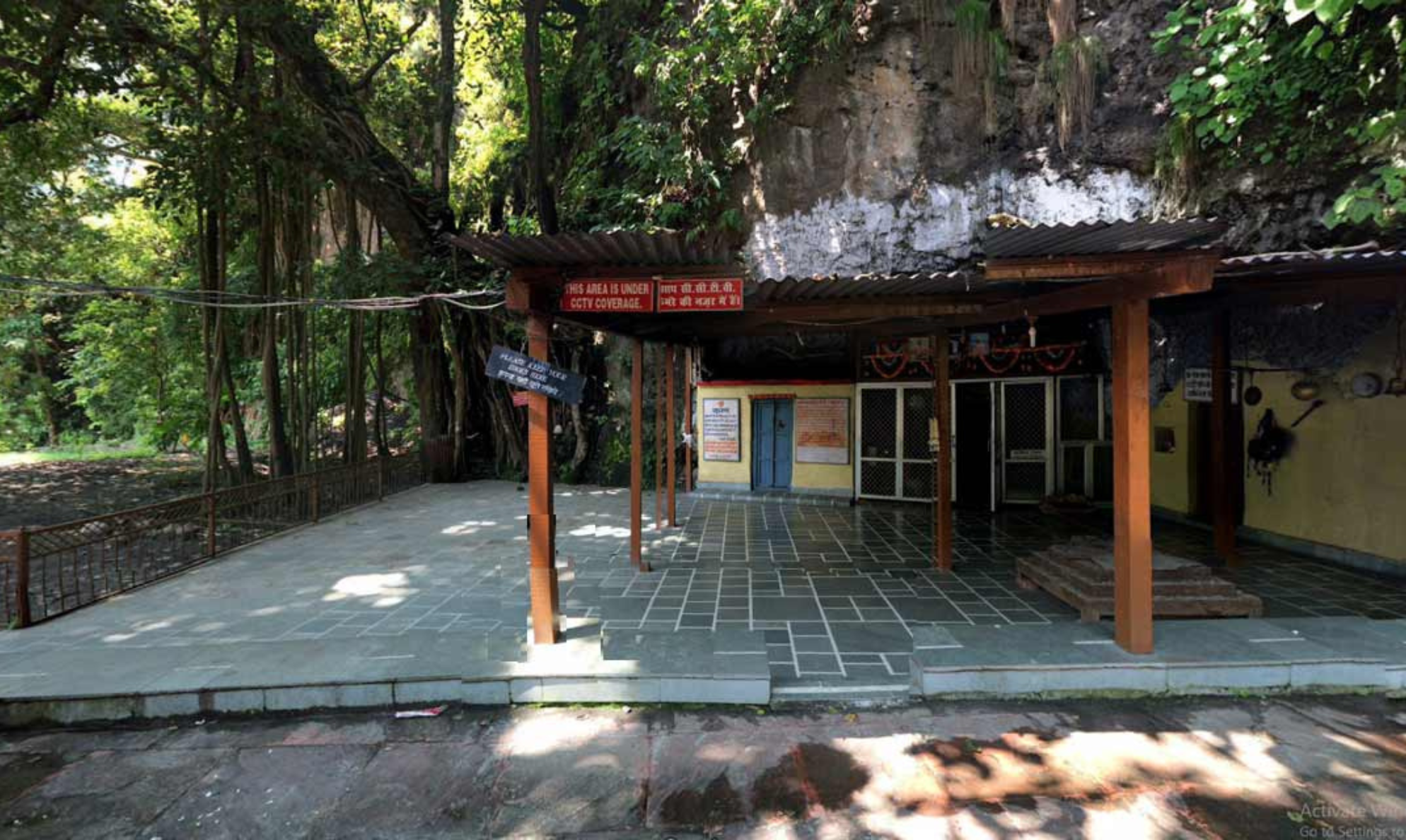
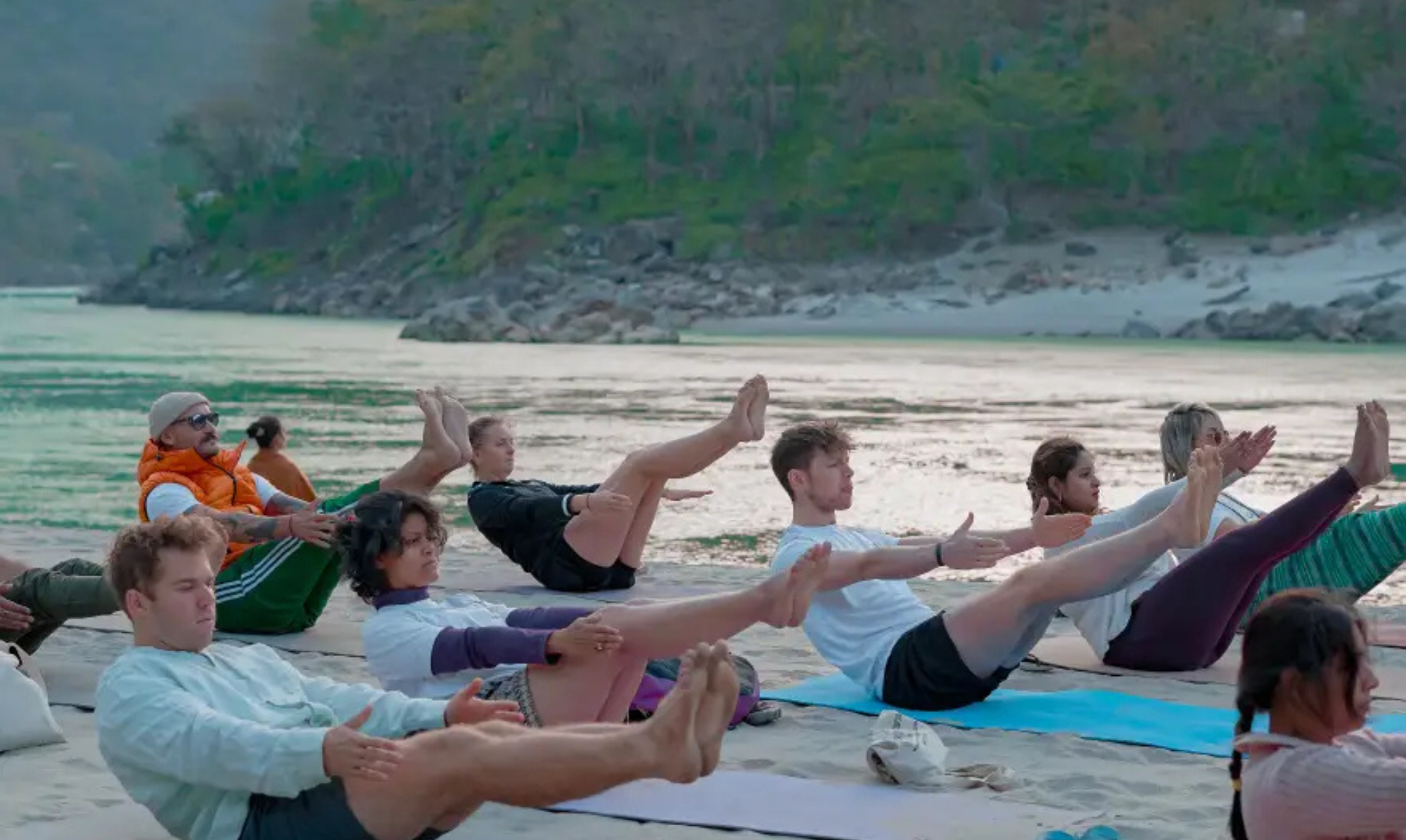
Deepen your yoga journey with Outdoor Activities & Excursions at Shiv Ganga Yoga & Meditation School. Practice yoga in nature, meditate by the sacred Ganga, and explore serene surroundings that support mindfulness, renewal, and inner balance—bringing your learning beyond the classroom.

Yoga Alliance USA Certified Yoga Course
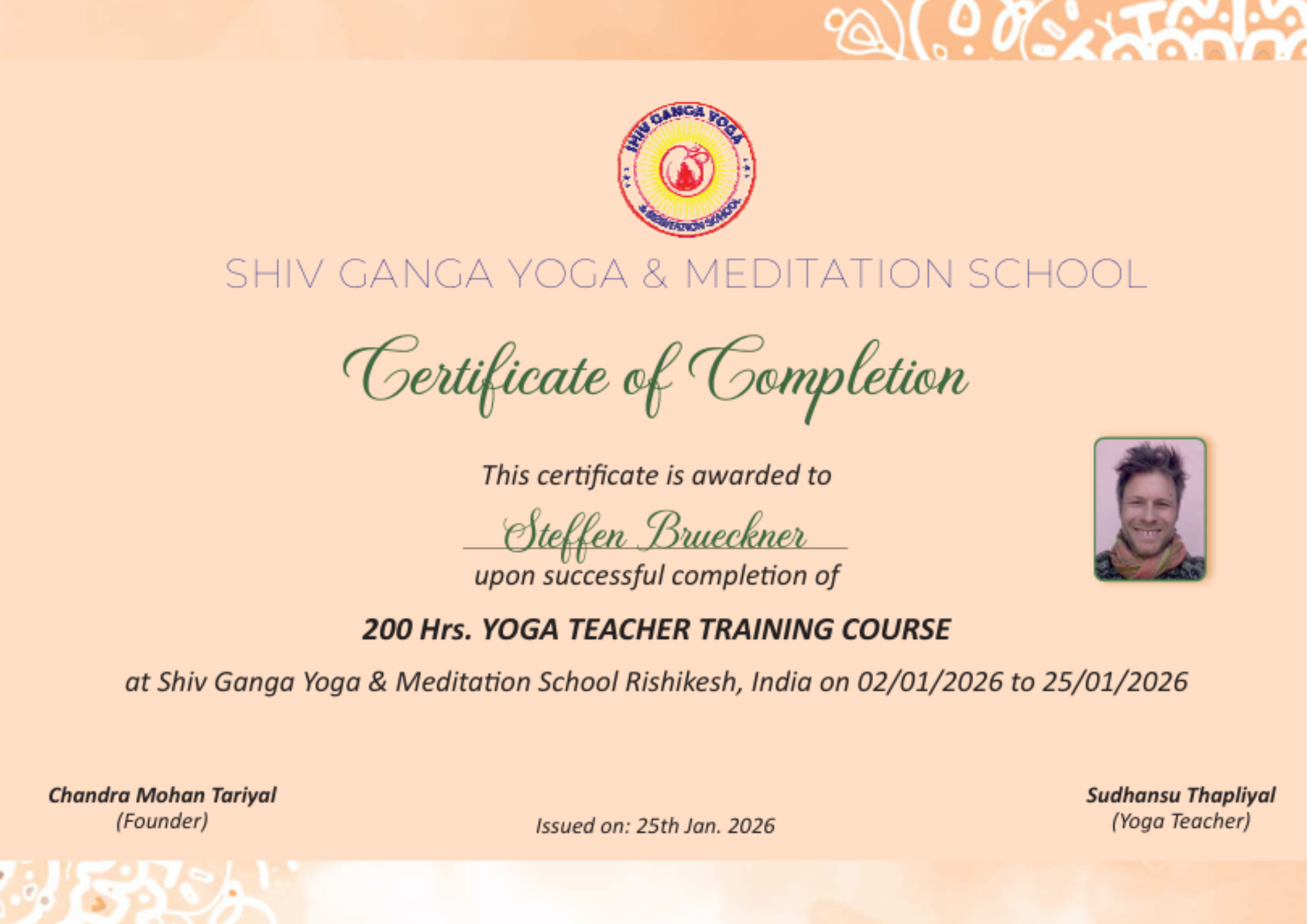
With our certification, you can share yoga and teach internationally. The 300 Hour Yoga Teacher Training at Shiv Ganga Yoga & Meditation School is fully accredited by Yoga Alliance, allowing you to teach yoga worldwide with confidence and credibility.
FAQs - 300 Hour Yoga Teacher Training in Rishikesh
What is a 300 Hour Yoga Teacher Training Course?
A 300 Hour Yoga Teacher Training Course is a foundational program that prepares you to become a certified yoga teacher. It covers yoga philosophy, asanas, anatomy, teaching methodology, and practice teaching.
Is the 300 Hour course Yoga Alliance certified?
Yes, our 300 Hour Yoga Teacher Training Course is Yoga Alliance certified and meets all required standards. Upon completion, you can register as a RYT 300 (Registered Yoga Teacher).
What is included in the course fee?
Typically, the fee includes tuition, course materials, accommodation, vegetarian meals, excursions, and a certificate of completion. Be sure to check with us for the exact inclusions.
Can I skip a class and come back again?
We recommend you be fully dedicated during the course and avoid any sort of excuse to abstain from the class. This will make things simple for you.
Are there any discounts on courses?
You can check our website for current offers and discounts and avail of them before they are gone. We are always happy to help our students save!
What about travel or visa arrangements for students traveling from abroad?
We do provide travel assistance if informed in advance. You can discuss your itinerary with us, and we can suggest and offer services accordingly. You have to apply as per the guidelines for visa arrangements, but we can assist you through guidance if you are stuck somewhere.
Rules And Refund Policy
Student Conduct, Ethics & School Policies
At Shiv Ganga Yoga & Meditation School, we believe discipline, respect, and ethical conduct are essential to a meaningful yogic journey. All students are expected to follow the school’s code of conduct to maintain a harmonious and spiritual learning environment.
Code of Conduct
- Students must show respect toward teachers, staff, and fellow practitioners at all times.
- Smoking, alcohol, and intoxicants are strictly prohibited on campus.
- Borrowed items must be returned on time and in good condition.
- Full attendance is mandatory for all classes and scheduled activities; emergencies must be communicated in advance.
- Students should inform the kitchen staff if meals are not required on any day.
- Punctuality is strictly followed for all classes and programs.
- Accommodation facilities are provided only to enrolled students and staff.
School Policies
- Anti-Harassment Policy: Any form of physical, verbal, sexual, or personal harassment is strictly prohibited and subject to serious action.
- Anti-Retaliation Policy: Students are protected against any form of retaliation for reporting misconduct.
- Attendance Policy: Active participation and strict attendance are required to successfully complete the course.
Refund Policy
- The advance booking amount is non-refundable.
- Course cancellations are allowed at any time; however, paid fees will not be refunded.
- In case of unforeseen circumstances, the school may offer a substitute course or schedule when possible.
Other Yoga Teacher Training Programs in Rishikesh, India
100 Hour Yoga
Teacher Training Course
Duration:
12 Days
Fee:
$500, $600
Style:
Multi-Style
Date:
2nd-11th of the Month
200 Hour Yoga
Teacher Training Course
Duration:
24 Days
Fee:
$900, $1000
Style:
Multi-Style
Certification:
Yoga Alliance
Date:
2nd of Every Month
500 Hour Yoga
Teacher Training Course
Duration:
46 Days
Fee:
$1800, $2400
Style:
Multi-Style
Certification:
Yoga Alliance
Date:
2nd of Every Month
"Shiv Ganga Yoga & Meditation School preserves the true essence of yoga, guiding students to live its wisdom on and off the mat"
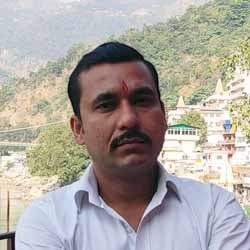
Chandra Mohan Tariyal
Founder
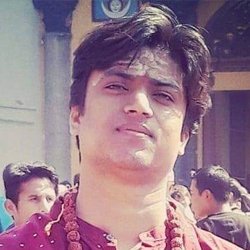
Kaushal Jha
Meditation Teacher
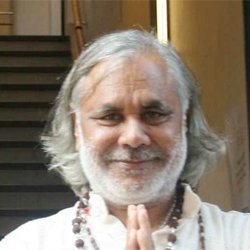
Swami Yogendra Mishra
Philosophy Teacher

Yogi Sudhanshu Thapliyal
Hatha & Ashtanga Teacher